Healthy Routines for Kids: Small Habits with a Big Impact

Healthy Routines for Kids: Small Habits with a Big Impact
Life with kids can be busy, unpredictable, and full of both joy and challenges. In the middle of all the daily tasks, one thing matters more than we might realize: routines. Healthy habits give children a sense of security, structure, and control — and they lay the foundation for well-being and learning. Small, consistent routines can make a big difference in a child’s life, both now and in the future.
Why Routines Matter
Children thrive when they know what to expect. A predictable rhythm helps them understand time, expectations, and cause and effect. When mornings, meals, and bedtimes follow a familiar pattern, the world feels more manageable.
Routines also bring calm. They reduce conflicts because kids know what’s expected, and they create space for connection. For parents, that means fewer power struggles and more energy for what truly matters.
Læs også:

Morning Routines – Starting the Day Right
A calm, predictable morning can set the tone for the entire day. It’s not about perfection, but about finding a rhythm that works for your family.
- Wake up with enough time so no one feels rushed.
- Eat breakfast together when possible — it’s a great time to connect and talk about the day ahead.
- Follow a consistent order — for example: get dressed, eat breakfast, brush teeth, pack up, and head out.
- Use visual cues — charts or pictures can help younger kids remember what comes next.
When mornings run smoothly, kids are more likely to start their day with confidence and focus.
Sleep and Bedtime – The Body’s Most Important Routine
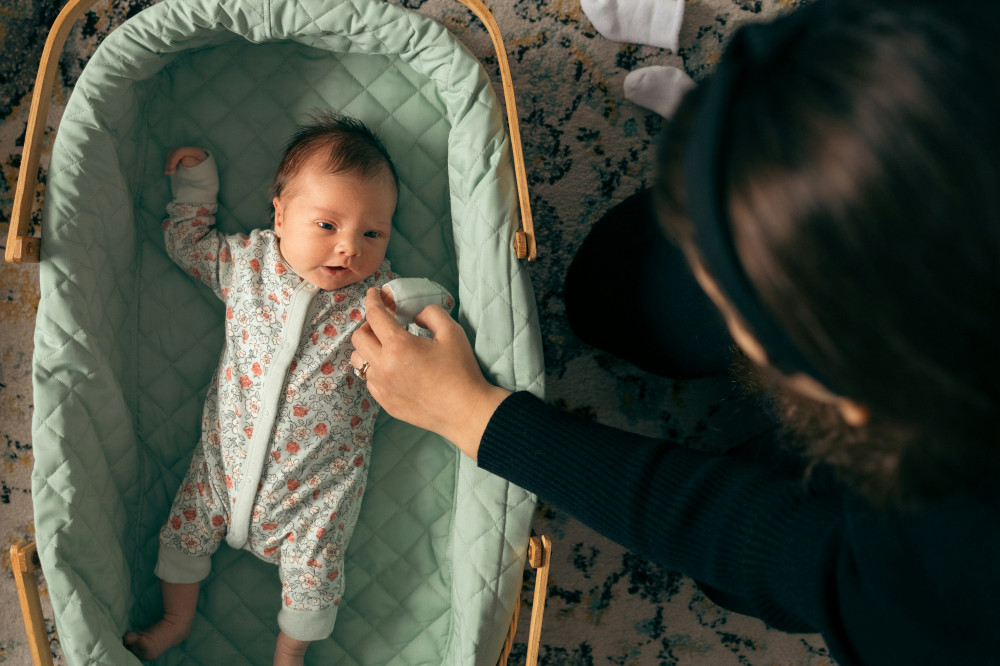
Sleep is essential for children’s growth, learning, and emotional balance. A consistent bedtime routine helps the body wind down and signals that the day is ending.
A good evening ritual might include a bath, brushing teeth, putting on pajamas, and reading a story or talking quietly together. Try to avoid screens during the last hour before bed — the blue light can interfere with sleep.
The exact amount of sleep kids need depends on their age, but regularity is key. When bedtime happens at roughly the same time each night, falling asleep and waking up rested becomes much easier.
Mealtime Habits That Matter
Healthy eating isn’t just about what’s on the plate — it’s also about how meals happen. Regular mealtimes and a relaxed atmosphere help kids tune in to their hunger and fullness cues and develop a positive relationship with food.
- Eat together as often as possible — shared meals strengthen family bonds and communication.
- Involve kids in cooking — it builds curiosity, confidence, and responsibility.
- Keep mealtimes positive — avoid pressure or strict rules; instead, make eating a pleasant experience.
Small changes, like offering fruits and vegetables at every meal or choosing water over sugary drinks, can grow into lifelong healthy habits.
Movement as a Natural Part of the Day
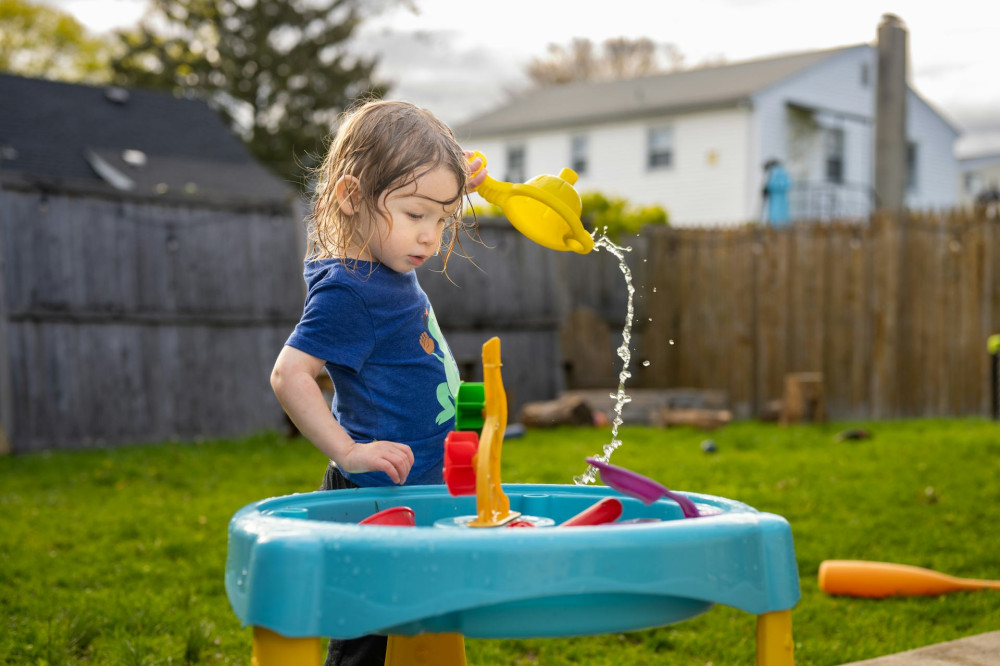
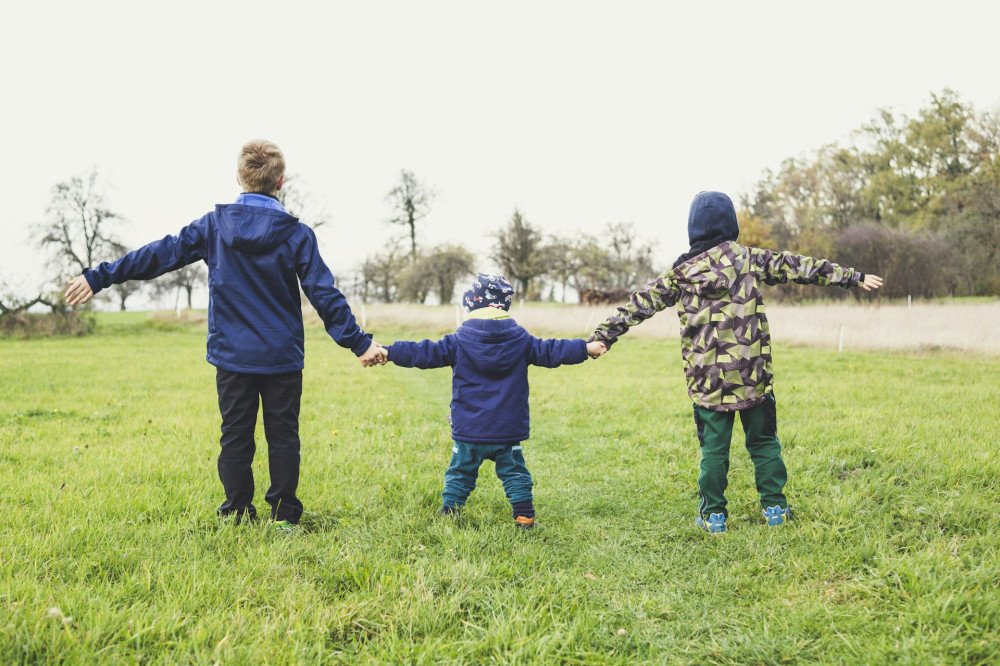
Kids need to move — not just for physical health, but for emotional and mental well-being. Physical activity releases energy, improves focus, and helps kids relax.
It doesn’t have to be organized sports. A walk after dinner, playing in the yard, or biking to school all count. The goal is to make movement a natural, enjoyable part of everyday life — something that happens without feeling like a chore.
Screen Time with Balance
Digital devices are part of modern childhood, but balance is important. Clear routines around screen time help kids understand when it’s time for play, learning, and rest.
Set consistent limits on when and how long screens can be used, and stick to them. Consider creating screen-free zones — like at the dinner table or in bedrooms. When kids experience time without screens, they learn to enjoy quiet moments and creative play.
Small Steps, Big Results
Building healthy routines doesn’t mean changing everything overnight. Start small — maybe with a consistent bedtime or a calmer morning. Once that becomes part of daily life, add another habit.
Children learn through repetition and by watching their parents. When you model the importance of routines, your child learns that structure and care go hand in hand.
A Foundation for Growth
Healthy routines aren’t an end in themselves — they’re a way to create security, balance, and joy in everyday life. They give children a stable foundation from which to explore the world, knowing there’s always a familiar rhythm to return to.
Small habits may seem insignificant in the moment, but over time, they become the building blocks of a happy, balanced, and confident life.
Læs også: