Use Everyday Life as a Learning Space: Support Your Child’s Curiosity and Problem-Solving Skills

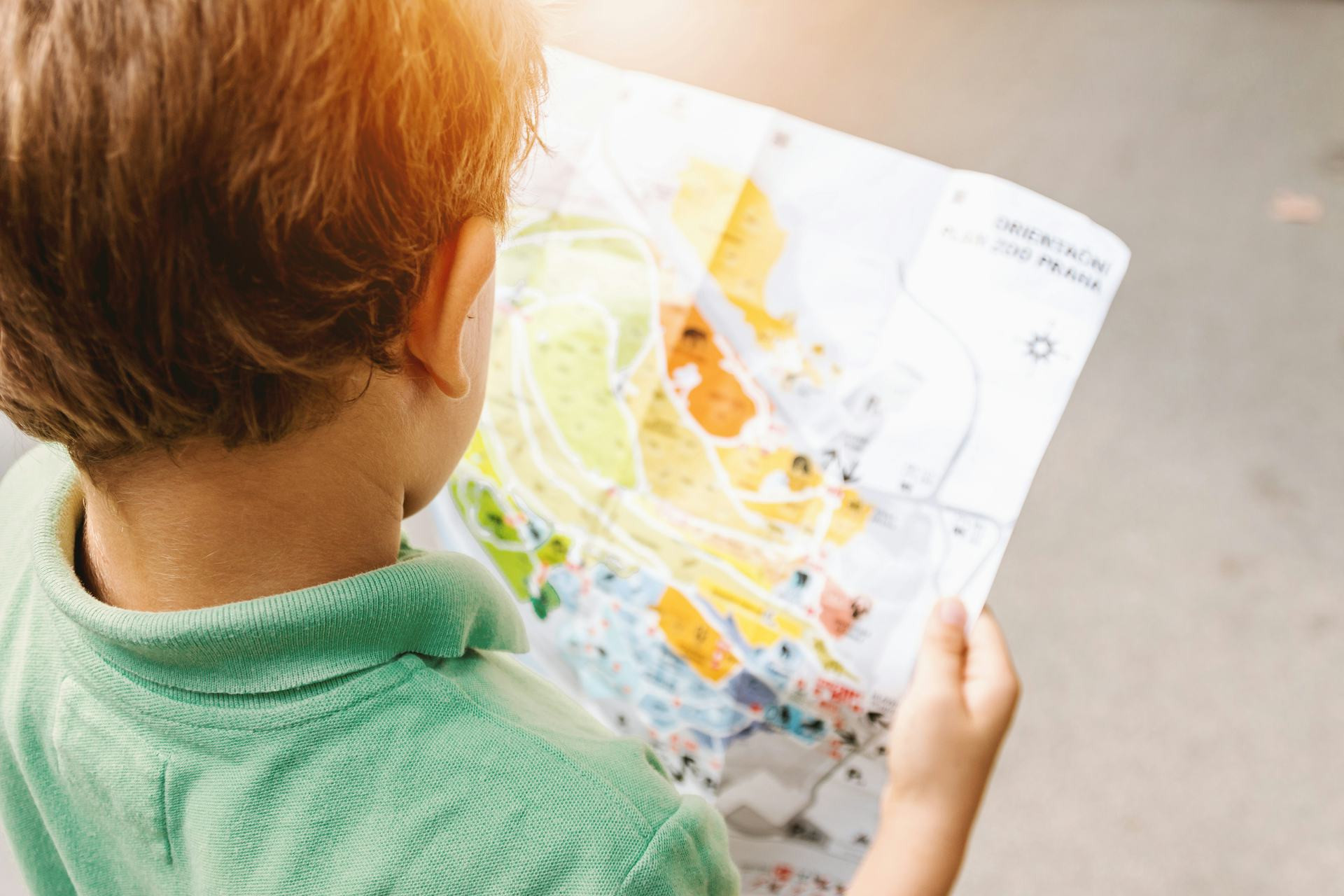
Use Everyday Life as a Learning Space: Support Your Child’s Curiosity and Problem-Solving Skills
Everyday life is full of learning moments — not just in school, but in everything children experience around them. When you involve your child in daily routines, you give them the chance to explore, ask questions, and find solutions. This builds curiosity, confidence, and creative thinking. Here’s how you can turn ordinary moments into opportunities for learning.
Learning Happens Everywhere — Not Just in the Classroom
Children don’t only learn when they’re doing homework. They learn when they help cook dinner, pack for a trip, or figure out how to fix a broken toy. Everyday situations offer chances to notice patterns, experiment, and ask “why.”
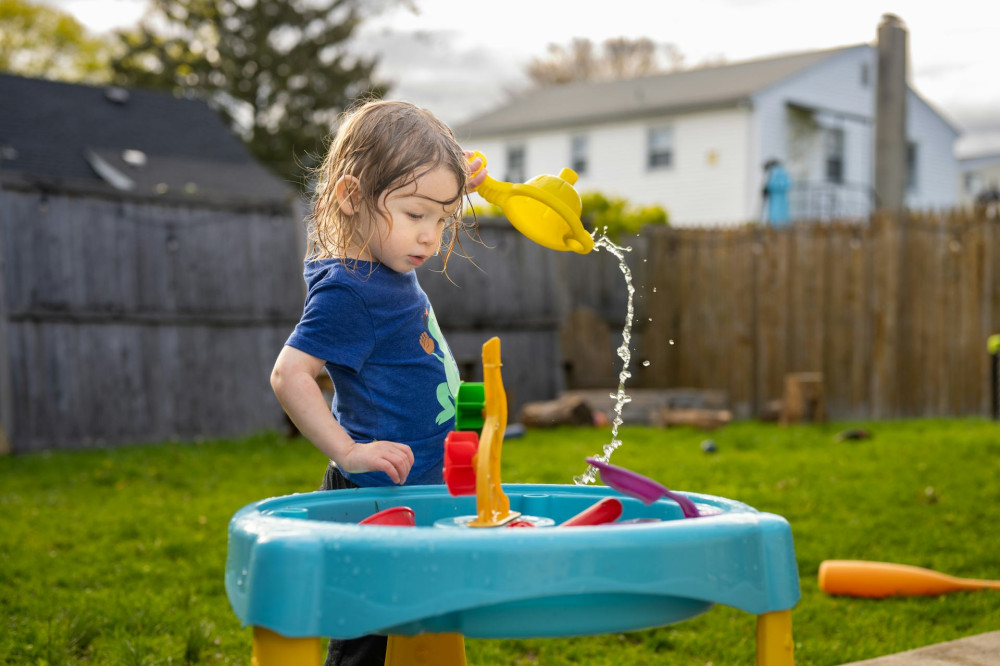
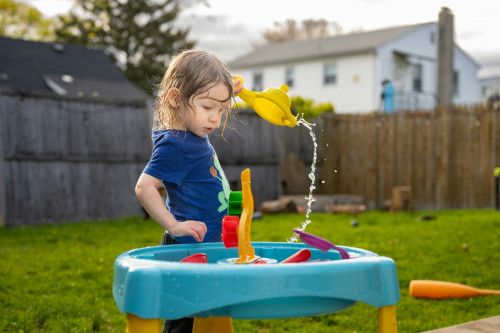
When you talk through what you’re doing — for example, “What do you think will happen if we use cold water instead of hot?” — you help your child think about cause and effect. That kind of thinking lays the foundation for science understanding and problem-solving skills later in life.
Make Room for Curiosity
Curiosity drives children to explore, ask questions, and try things out. But in a busy day, it can be tempting to give quick answers or do things yourself to save time. Try instead to make space for your child’s own ideas and thoughts.
- Ask open-ended questions: Instead of giving the answer, ask “What do you think?” or “How could we find out?”
- Show interest: Listen to your child’s explanations, even if they’re not quite right. It shows you value their thinking process.
- Celebrate mistakes: When something doesn’t work, talk about what you could try next time. Mistakes are part of learning.
By supporting curiosity, you show your child that wondering and exploring are just as important as being right.
Turn Everyday Tasks into Mini Experiments
Many daily activities can become small learning projects when you look at them with curiosity.
- In the kitchen: Let your child measure ingredients, guess what will happen when you mix them, and observe the results. It builds math and science understanding.
- Outdoors: Collect leaves, look for insects, or build a small dam in a stream. It strengthens observation skills and environmental awareness.
- At home: When something breaks, fix it together. Talk about how it works and why it might have stopped working.
- At the store: Ask your child to estimate the total cost or find the best deal. It gives a hands-on sense of numbers and value.
The goal isn’t to turn daily life into schoolwork, but to notice that learning is everywhere.
Læs også:

Create a Safe Space to Try and Fail
For children to explore and solve problems, they need to feel safe making mistakes. When you show that failure is part of the process, your child learns to see challenges as something they can work through.
Praise effort rather than results: say “You worked really hard to figure that out” instead of “You’re so smart.” This helps your child believe that abilities grow with practice — not that they’re fixed traits.
Give Your Child Responsibility and Trust
When children are trusted with responsibility, their confidence and independence grow. It can be small things like setting the table, planning part of a family outing, or finding a way to solve a practical problem.
By letting your child take initiative and come up with their own solutions, you show that you believe in their abilities. That trust motivates them to learn more — and to keep trying when things get tough.
Learning as a Shared Experience
The most important thing is to make learning part of your shared everyday life — not an extra task. When you share your own curiosity, for example by saying “I’m not sure, let’s find out together,” you show that learning is a lifelong journey.
In this way, everyday life becomes a space where both children and adults grow — together.
Læs også: